
Quick take: A recent AREA 52 conversation treats disclosure as a social technology. The core idea is that stories, symbols, and timing will shape acceptance more than a single data drop.
Use this as a rehearsal space for how disclosure might actually feel.
The moment
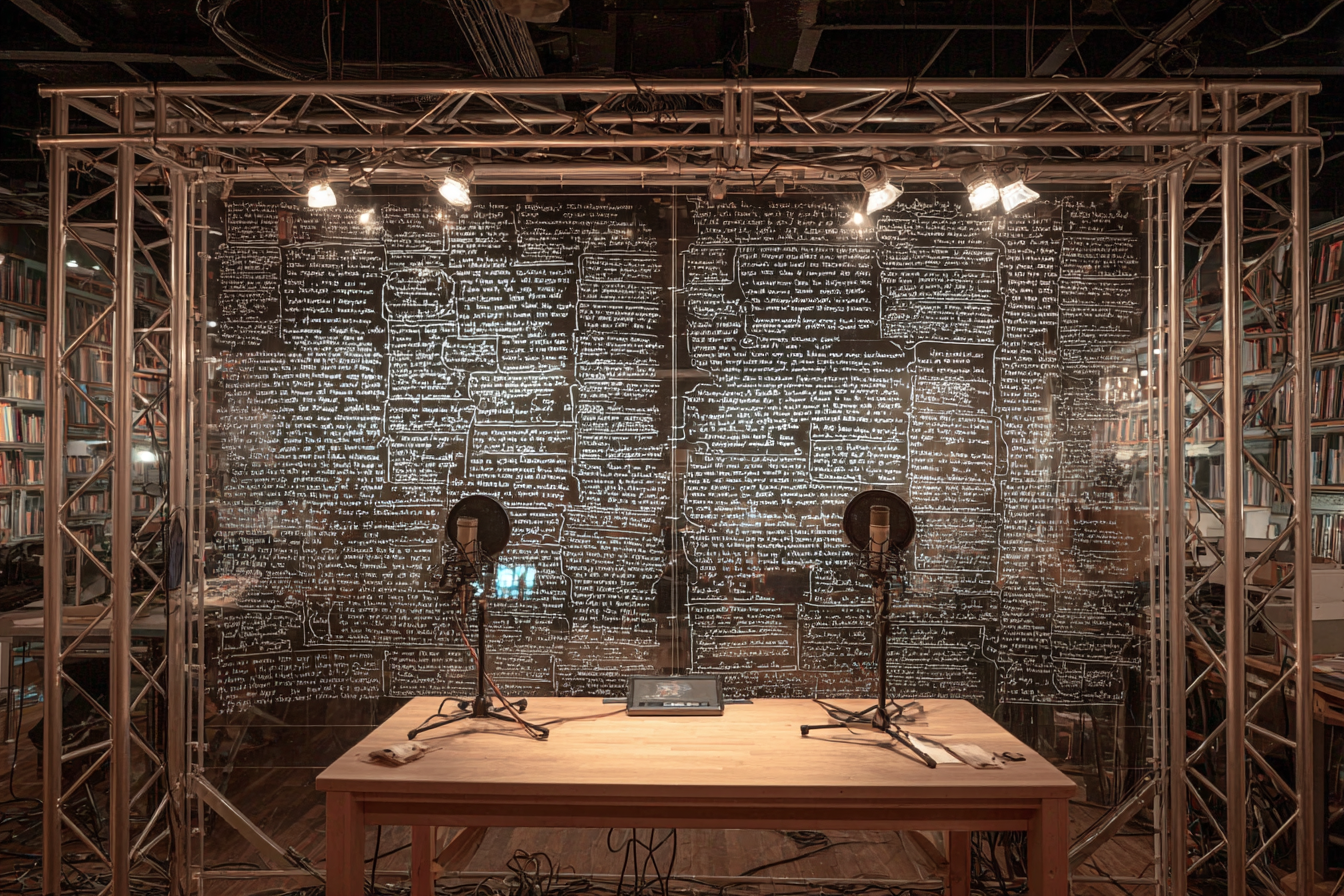
AREA 52 shifts focus from vehicles in the sky to humans in the loop. The hosts talk about narrative tactics, rumor velocity, and why soft releases often beat hard dumps. It is less about proving a craft and more about how belief forms, spreads, and hardens. That framing is catching on because it meets people where they live, which is online, in communities, and inside stories.
The conversation also treats “disclosure” as plural rather than singular. Multiple institutions, uneven releases, mixed motives. In that world, evidence does not arrive as a trumpet blast. It trickles, gets memed, gets argued, and only later gets named as history.
“If the future is real, the first battlefield is language, not hardware.”
Why this resonates
- People already sense disclosure is a process. They want a map for the in-between.
- Myth and media set the frame that later evidence must fit. Frames rarely move after the first impression.
- Communities need sense-making tools more than another spooky clip. Who to trust, how to judge, where to look next.
Treat this conversation like a rehearsal room for the next year. If even a fraction of legacy claims are true, the first things that change are words, expectations, and social scripts. Not propulsion. Not physics. Language, trust, and pace.
The practical value here is a checklist for rollout that avoids panic and keeps the public inside the verification loop. That means sequencing, trusted validators, public dashboards, and a clear difference between evidence and interpretation. As imagination, this is useful. As evidence, it brings nothing new, which is fine as long as we keep asking for receipts.
Plausible futures
- If it sticks
More creators pair receipts with behavioral science. You see playbooks on how to present uncertainty, invite public replication, and avoid sensational framing. Expect briefings that feel like weather reports: short, regular, and cumulative. - If it fizzles
We slide back to spike and forget. Trailer weeks go loud, then silence. People remember the mood, not the facts. Literacy stalls. - If receipts land
This becomes a manual for rollout. Sequenced drops, independent labs on day one, simple visuals, and a shared glossary. The question shifts from “is it real” to “what happens now” and “how do we involve the public without breaking trust.”
What we can verify
- Public, on-record discussion that frames disclosure as culture and psychology.
- No new chain of custody files, instrument logs, or lab reports are presented.
- The value is the framework. Claims are hypotheses that invite testing.
How to use this, practically
- Adopt a cadence: short updates with one new receipt per post. Treat them like weather.
- Name the uncertainties: label each claim with confidence, provenance, and what would falsify it.
- Invite replication: whenever you present a dataset, give methods, tools, and a place to post replications.
- Protect vocabulary: define terms like technosignature, chain of custody, and replication so they do not get warped by hype.
- Pre-register “if true” actions: who analyzes what, which lab goes first, how results reach the public.
What would move the needle
- A small but real pilot: release a modest dataset with full methods, get a university lab and an open community to replicate, and publish the outcome with timelines and known gaps.
- Pre-registered briefing schedules that continue whether the news is exciting or boring. Consistency builds trust.
- A public glossary and style guide used by multiple creators so the language stays clean.
Closing
If the future really is near, the hard part will not be new physics. It will be how we teach millions of people to tell the difference between a story and a finding, and how we keep the two in healthy conversation.


