
Overview
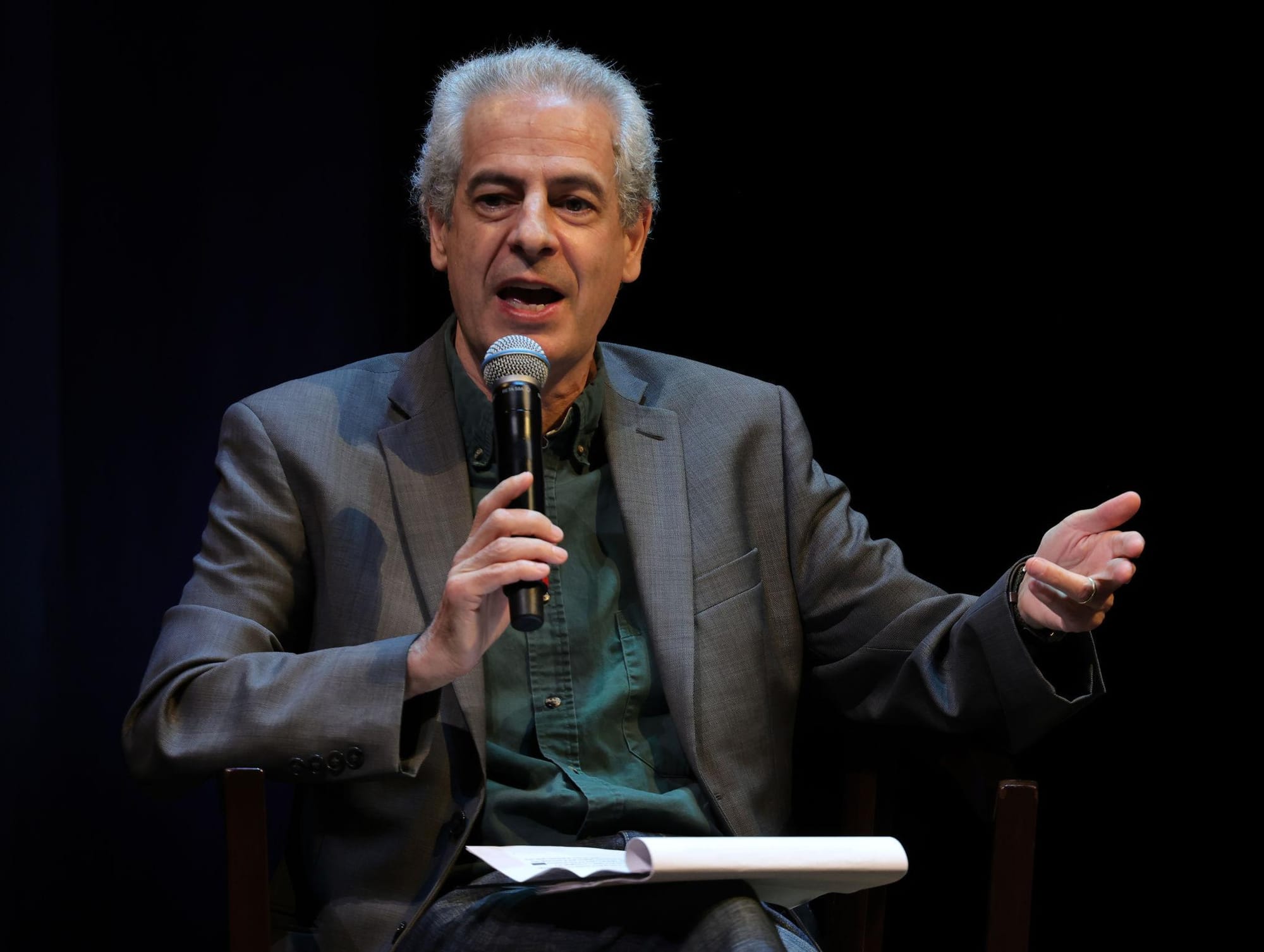
Nick Pope was a British civil servant, writer, and media commentator whose significance came from one unusually potent credential: he had worked inside the UK Ministry of Defence on the desk that handled UFO reports from 1991 to 1994. After leaving government, he became one of the most recognizable public interpreters of the UFO issue in Britain and the United States, carrying that bureaucratic origin story into books, documentaries, conferences, and news commentary. He died in April 2026 at age 60.
What made Pope matter was not that he offered the most radical claims in ufology. It was that he occupied a middle lane between state procedure and public mystery. He did not present himself as an abductee, insider whistleblower, or channeler. He presented himself as someone who had handled the files, assessed the reports, and concluded that at least a small residue of cases deserved serious attention. That posture gave him a kind of institutional mystique that many other UFO personalities lacked.
Origins and Background
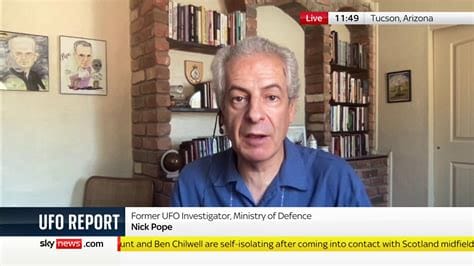
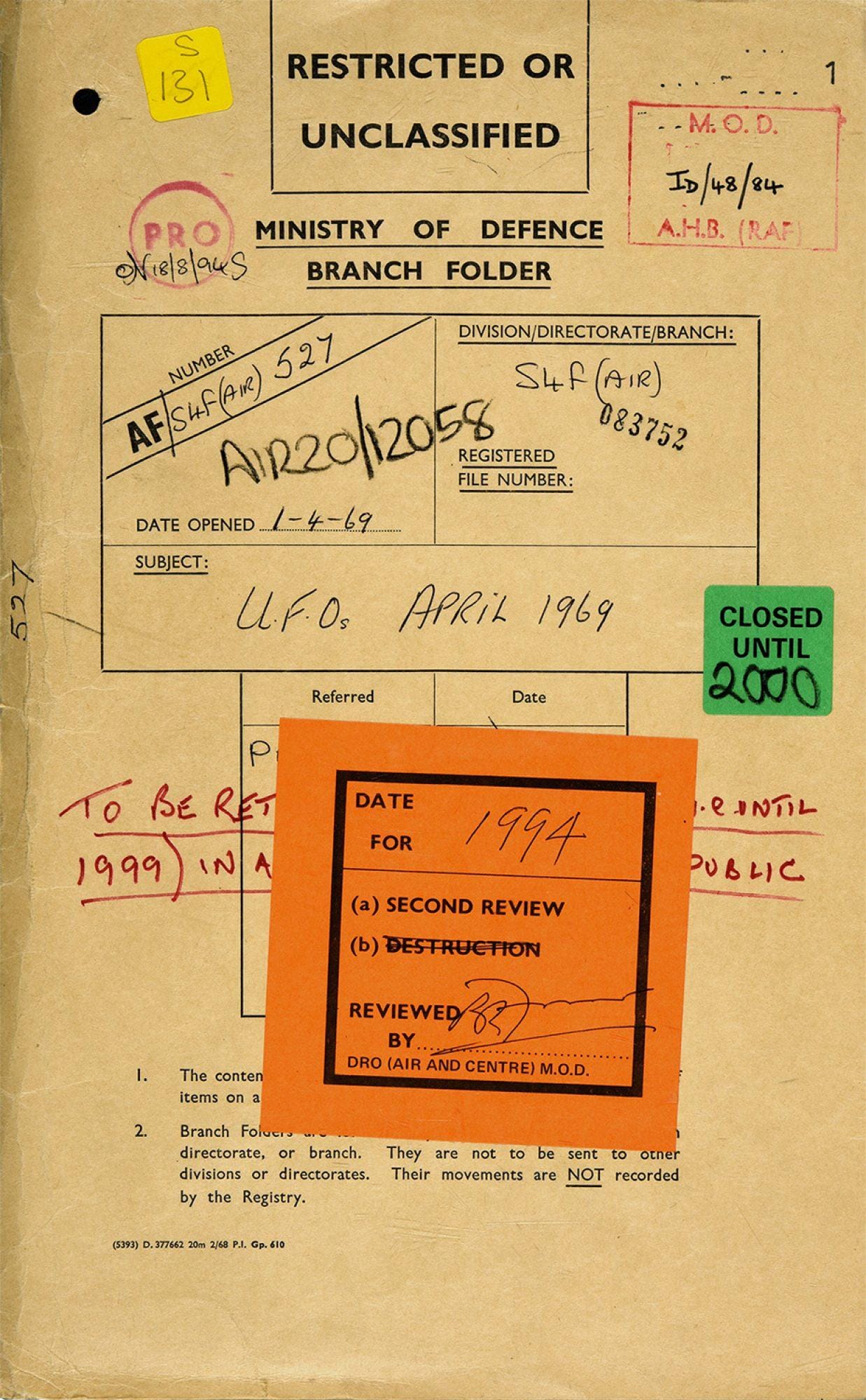
Pope worked for the Ministry of Defence for 21 years. His own official biography says one of his postings involved researching and investigating the UFO phenomenon to assess defense, national security, and safety-of-flight implications, while BBC Sky at Night summarizes the key period more precisely: from 1991 to 1994, his duties included investigating UFO sightings for national-security implications.
That distinction matters. Pope did not spend his whole government career on UFOs. The UFO desk was one posting inside a longer civil-service career. But it became the defining one, partly because the role was unusual enough to attract attention and partly because Pope proved especially adept at translating that role into a durable public identity afterward.
After leaving government, he moved decisively into media and publishing. His literary-agency profile says he wrote for major newspapers including The Times, The Guardian, The Sun, and The New York Times, appeared regularly on TV and radio, and lectured internationally, while his own website framed him as a leading authority on UFOs and the unexplained. That second career is crucial to understanding him. Nick Pope was not only a former desk officer. He became a professional narrator of what that experience meant.
What It’s Known For
Pope is chiefly known for four overlapping things:
- Running, or at minimum serving in a central role on, the MoD office that investigated UFO reports between 1991 and 1994.
- Turning that government role into a public-facing career through books, commentary, and conference appearances.
- Becoming a recurring television personality on UFO and unexplained-themed programming, including frequent appearances linked to Ancient Aliens and similar documentary formats.
- Acting as a bridge figure between old-school British case files such as Rendlesham and Calvine and the newer UAP transparency conversation.
What makes him distinct is that he did not simply inherit attention from one famous case. He built a whole public role around being the person who could make the official UFO file room feel legible to ordinary audiences. In other words, his influence came not just from proximity to mystery, but from his ability to package bureaucracy as intrigue.
The Core Idea
The deeper signal behind Nick Pope is that he represented institutional permission to wonder.
That is the real reason he became so visible. The UFO subject is full of dramatic witnesses and speculative interpreters, but Pope brought something rarer: the suggestion that the state itself had once taken the matter seriously enough to assign someone to review it. Even if the underlying office was modest, even if the mandate was narrower than later mythology implied, the symbolic effect was enormous. He made the topic feel one step less marginal.
This is why he remained important long after the MoD project itself ended. His authority was never only about fresh evidence. It was about occupying a role that sounded official enough to stabilize public curiosity. He stood in the gap between “the government never cared” and “the government knows everything,” and that middle position became his brand.
Perspectives and Interpretations
Supporters tended to see Pope as one of the strongest “credible insider” voices in UFO culture. The argument was straightforward: he had done the job, handled reports with defense implications, and emerged from that experience more open-minded than he began. Obituaries and profiles published after his death largely preserved that framing, emphasizing that some cases remained unresolved and that he argued for greater seriousness around UAP.
A second supportive reading cast him as a pragmatic translator rather than an extremist. Compared with more sensational figures, Pope often framed the issue around national security, aviation safety, defense procedure, and incremental transparency. That made him easier for mainstream outlets to book and easier for skeptical audiences to hear out, even when they did not accept his conclusions.
Skeptics, though, raised a different issue. As the Financial Times reporting reprinted by Longreads noted, Pope was not universally beloved in ufology, and one recurring criticism concerned whether the popular claim that he “ran Britain’s UFO project” was cleaner and broader in public retelling than the underlying bureaucratic reality. That does not erase his role, but it does complicate the polished mythology around it.
Neutral observers usually ended up somewhere in the middle. They could grant that Pope really did work inside the MoD UFO reporting structure and still question how much that experience should count for decades later when making broader claims about extraterrestrial visitation, secrecy, or the significance of specific cases. That tension is central to his legacy.
Strengths and Limitations
Pope’s clearest strength was positional credibility. He really had a government background, and his specific UFO-related posting was real enough to differentiate him from the vast majority of commentators in this space. For audiences trying to sort the loud from the grounded, that mattered.
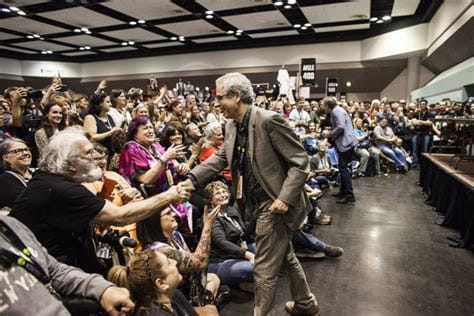
Another strength was communication. His literary-agency bio shows how broad his media reach became, from newspapers and documentaries to lectures and major public forums. He was not just a file clerk who wrote a memoir. He was a skilled explainer who knew how to turn archival ambiguity into a sustained public conversation.
The limitations are just as important. His strongest authority always depended on a relatively brief period of government service being stretched across a much longer media career. Over time, the brand of Nick Pope often became bigger than the underlying posting itself. That does not make the brand fraudulent, but it does mean readers should separate biography from amplification.
There is also an evidentiary limit. Pope’s significance came from framing and interpretation, not from unveiling decisive new proof. Much of his later influence was built on commentary about known cases, changing public attitudes, and the broader UAP conversation, not on fresh declassified revelations uniquely tied to him.
Broader Implications
Nick Pope mattered because he showed how a state role can outlive the state project itself.
The MoD eventually shut down its UFO reporting program, but Pope survived as a kind of public afterimage of it. In that sense, he became more culturally important after leaving government than while he was actually in it. He transformed administrative experience into symbolic capital, and symbolic capital into a long second life in television, publishing, and lecture culture.
That has broader implications for how reality questions circulate today. Authority no longer comes only from institutions or only from anti-institutional outsiders. It often comes from people who can claim one foot in each world. Pope was one of the clearest examples of that hybrid role: part former official, part media personality, part curator of public uncertainty.
For The Galactic Mind, that makes him especially useful as a Dossier subject. He is less important as proof of any single UFO claim than as proof that the institutional treatment of mystery can itself become part of the mystery. Pope’s real legacy may be that he helped make official curiosity into a public genre.
The Galactic Mind Perspective
Nick Pope is best understood not as the man who solved the UFO question, but as one of the figures who made it easier for ordinary audiences to treat the question as institutionally serious.
That is a subtler kind of influence, but a real one. He helped move the subject out of pure ridicule without fully resolving it into consensus. In doing so, he became a threshold figure: someone whose value came less from final answers than from changing the tone of the conversation.
The careful read, though, is to keep his symbolism in proportion. Pope’s proximity to official process made him important, but proximity is not the same thing as definitive knowledge. His legacy is strongest as an interpreter of the institutional edge, not as the final authority on what the phenomenon is.
Open Thread
If Nick Pope’s lasting power came from standing halfway between bureaucracy and mystery, what does that say about the way people now look for truth: do they want evidence, access, interpretation, or simply someone who makes the unknown sound like it once had a file number?
Sources / Receipts
- Nick Pope official biography site.
- BBC Sky at Night author profile.
- Andrew Lownie Literary Agency biography.
- Parade obituary and reporting on his death.
- Times and Telegraph obituary snippets confirming his death in April 2026.
- Longreads / Financial Times feature on his contested place within ufology.
- Guardian coverage of the Calvine case and Nick Pope’s continued relevance to UK UAP debate.
What do you think? Drop your thoughts in the comments


Discussion