We talk about consciousness like it is a single light switch. On or off. But your day is not a binary. It feels more like walking through a house where some rooms are bright, some are dim, and some doors are half open.
You notice how a thought steps forward only when you turn toward it. You notice how a memory changes depending on which room you retrieve it from. You notice how attention is not the light itself, but the hand on the dimmer.
Some mornings, the house is a mess. The kitchen radio argues with the living room TV. The hallway is clogged with boxes labeled “later.” Even then, one clear thing can cross a threshold and organize the whole place. A smell. A face. A danger. A song.
What if that threshold crossing is the simplest honest clue we have to what consciousness is doing?
The core idea
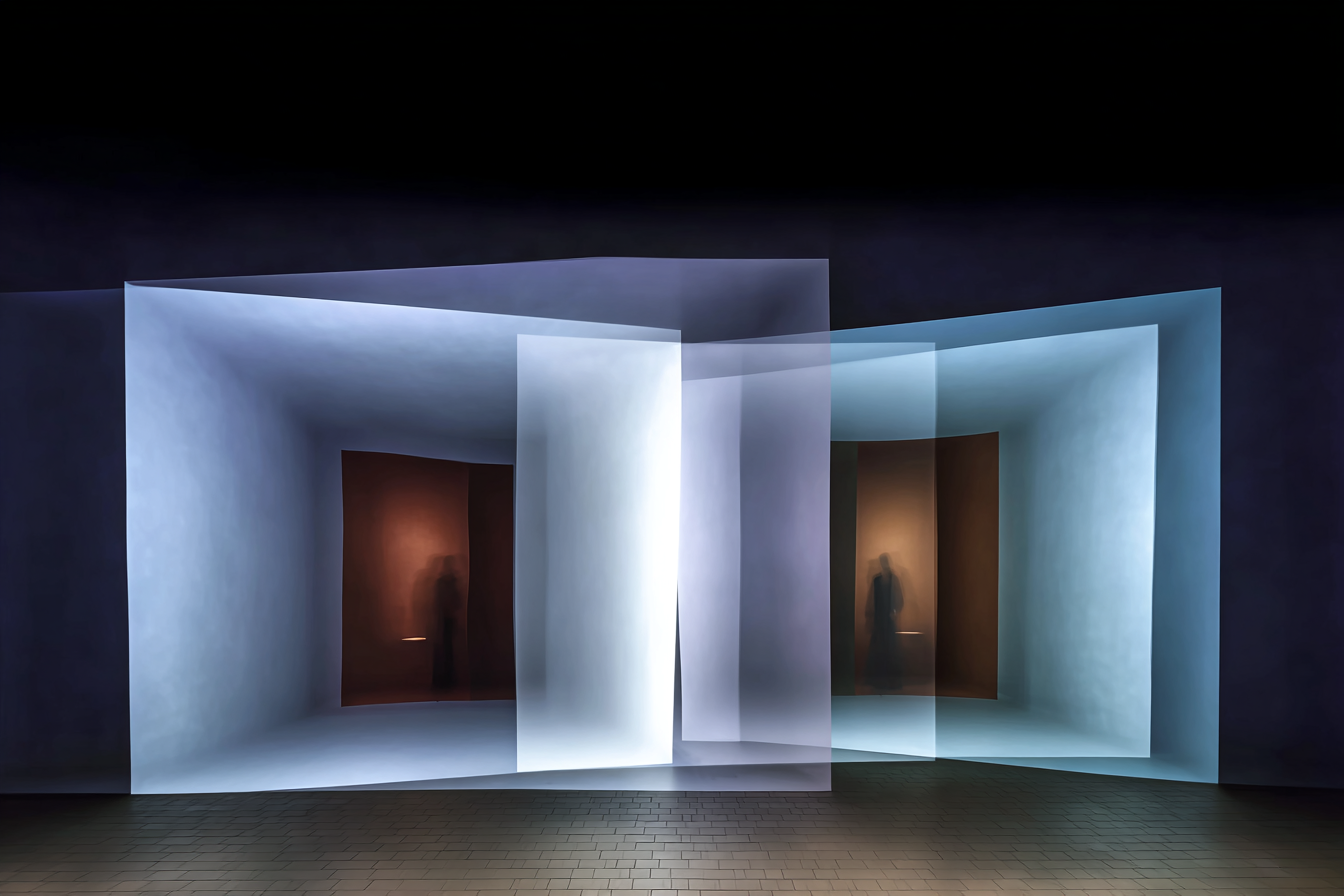
Think of consciousness as the threshold room. Signals all over the brain and body compete and cooperate. Most stay local. A few cross a threshold and enter a temporary shared space where they gain access to more of you: memory, language, planning, and action. The feeling of “I am aware of this” is what it is like from the inside when a pattern earns that access.
This is not a claim that neurons tell stories or that a single spot in the head glows. It is a claim about coordination. When a signal recruits enough partners at the same time, it becomes globally relevant. It steps into the room and, for a moment, writes the agenda.
“The feeling of ‘I am aware of this’ is what it is like when a pattern earns access.”
Why this matters now
We are building machines that predict the next token, the next frame, the next move. They look bright from the outside. It is tempting to call anything fluent “conscious.” But fluency is not the same as agenda setting. A good test is not whether a system can talk. It is whether it can cross thresholds that reorganize its own priorities in a coherent way.
Timely questions follow. How do you measure access without overpromising philosophy. How do you design systems that can refuse when crossing a threshold would cause harm. How do you teach your own mind to manage the door.
Short list, kept tight:
- Tools that measure which signals gain global access during tasks
- Training methods that reward stabilizing healthy agendas, not just output
- Habits that help humans choose what gets into the room
How this could actually work
Your brain is a chorus. Sensory sections sing quiet phrases. Body states keep the beat. Memory offers harmony. Most of the time, it stays local. But when enough sections lock into the same rhythm, the sound swells. The threshold room opens.
Under the hood, that looks like synchronized activity across distant regions for a brief window, plus a routing priority that lets the winner query long-term stores and motor plans. From the inside, it feels like “this matters.” That feeling is data. It shapes what comes next.
Bullets only where they help:
- Local processing stays cheap and fast. Most of life runs here.
- Threshold events are rare and expensive. They burn glucose and time.
- Access grants privileges: narration, long memory updates, and wide influence on action.
Where this shows up already
You have felt this a thousand times. You are walking and suddenly smell rain on dry dust. The entire day rearranges. You open a door, check gutters, text a friend who loves storms. One scent crossed the threshold and organized a plan.
In creative work, an idea lives on scraps until it crosses the room. Then you pull old notes, say no to a meeting, sketch a shape that demands a page. Threshold crossing is why a day can pivot cleanly.
In technology, something similar happens when a notification escalates from a badge to a banner to a buzz to a blocking modal. Each step is an engineered threshold designed to claim your room. Treat those designs with the suspicion you reserve for strangers who reach for your keys.
“Thresholds decide the agenda. Guard them.”
The hidden cost or risk
If the room is always open, you get burnout. If it is always closed, you get drift. The cost of too many threshold crossings is decision fatigue and brittle focus. The cost of too few is living on autopilot while important signals knock unheard.
There is another risk. Systems built to hijack your room. Feeds and alerts that audition every second. They do not care if your agenda stabilizes. They care if your room stays noisy.
If we take this seriously
Design your thresholds like you design your doors. Make them visible. Make them adjustable. Decide what earns entry in advance.
In practice, that means rituals. A morning gate where you nominate the two patterns allowed into the room today. A noon check that asks whether a stranger took the key. An evening sweep that returns the chorus to local work so sleep can retune the house.
For machines, it means architectures that can surface a candidate agenda, justify it, and accept a human veto. It means logging what was granted access and why, not only logging outputs. It means teaching models to refuse invitations that would hijack their own stability.
Philosophically, this view cuts between extremes. It does not require mysticism to respect mystery. It does not collapse personhood into a chat transcript. It gives you a lever: threshold management as a practice.
Pulling this together
Consciousness might not be a single light. It might be the moment a pattern earns the room. You feel that moment. You can design for it. You can protect it. You can aim it at what makes you more alive.
Keep most things local. Let a few cross. Make the room count.
“Keep most things local. Let a few cross. Make the room count.”