A Sunday night in Chicago.
Sports highlights on WGN. A few hours later, Doctor Who on WTTW.
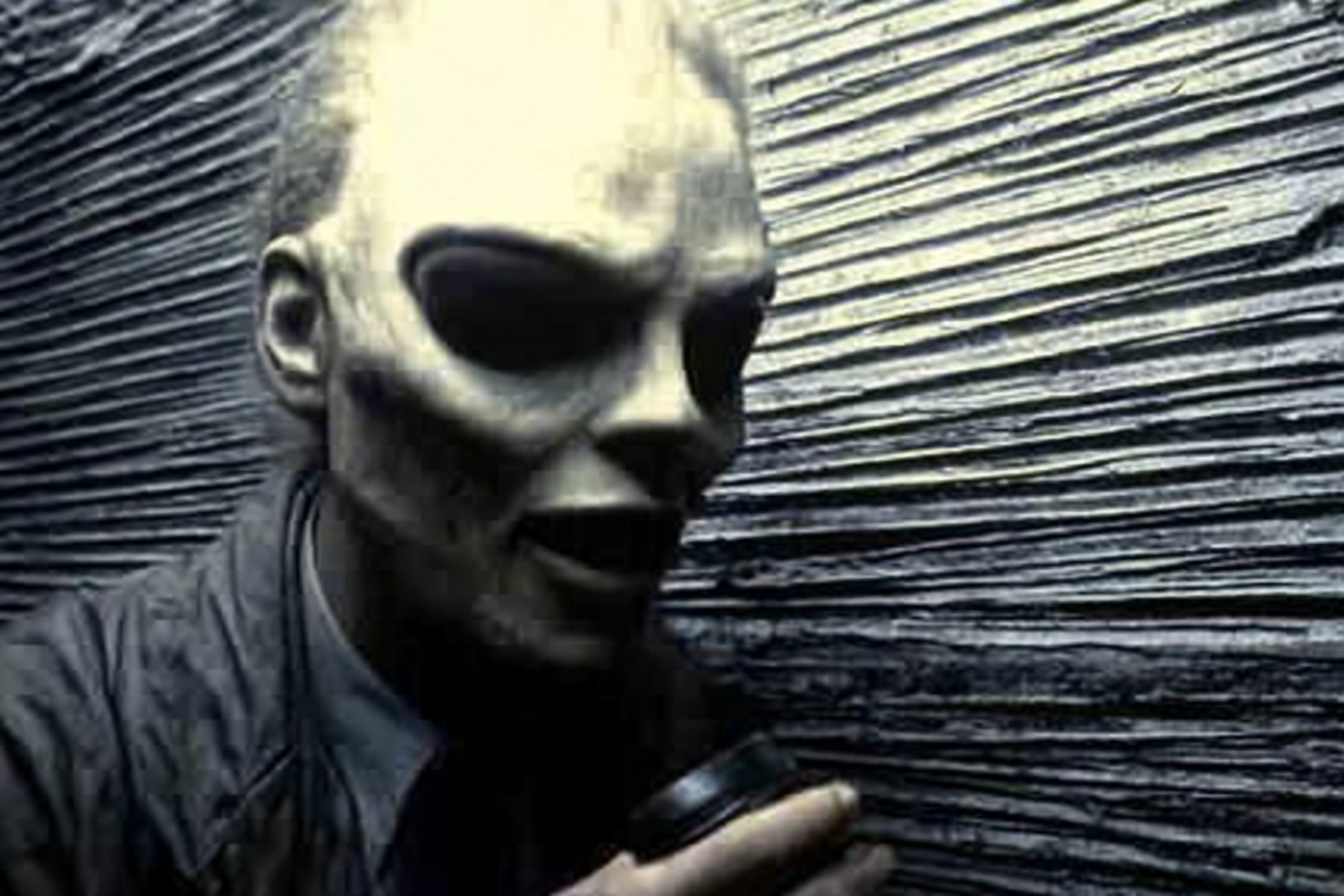
Both broadcasts snap into a flicker of stripes and a rubber Max Headroom mask.
People care because this is the most famous unsolved broadcast intrusion in the United States. It sits at the crossroads of hacker folklore, television engineering, and media culture.
What actually happened
On November 22, 1987, two separate television transmissions in Chicago were interrupted by an unknown pirate signal featuring a person in a Max Headroom mask with a corrugated metal backdrop.
First, at about 9:14 p.m., WGN’s 9 o’clock news sports segment was overridden for roughly 20 seconds. There was no clear audio, only the image. Engineers restored the feed quickly.
Later, at about 11:15 p.m., WTTW Channel 11 was airing Doctor Who when the intrusion returned, this time for about 90 seconds with audio. The masked figure delivered a rambling performance that included references to TV shows and the station, then the hijack ended. WTTW apologized on air and resumed the episode.
Brief timeline after the prose
- 9:14 p.m. WGN sports segment cut for ~20 seconds.
- 11:15 p.m. WTTW Doctor Who cut for ~90 seconds with audio.
- Same night: stations file reports and pull tapes.
- Following days: FCC and local engineers begin an interference investigation.
- Case remains officially unsolved.
Key claims and evidence
The core questions are who did it and how the signal defeated two different broadcasts in one night.
- Main claims
- The pirates most likely injected a stronger microwave link into the studio-to-transmitter path rather than seizing the high-power transmitter itself.
- The second interruption suggests planning and line-of-sight positioning, not random static.
- The content and references hint at a small group with basic RF gear and familiarity with local TV ops.
- Main pieces of evidence
- Station airchecks: clean recordings exist from both WGN and WTTW.
- Engineering notes from station staff about signal strength, patterning, and restoration steps.
- FCC investigation records noting likely use of a microwave relay injection and the need for proximity to a receive site.
- Main contradictions or disputes
- Perpetrator identity never confirmed. Various suspects surfaced over the years without definitive proof.
- Exact method debated: dish size, power, and where the injection occurred on each path.
- Whether the two hits were by the same team repositioning, or two coordinated teams.
How people interpret this
- Believer lens
A small crew with a portable microwave transmitter, parabolic dish, and a generator exploited a vulnerability in analog STL links. The performance was a culture-jamming stunt, not a data theft or extortion event. - Skeptic lens
The event is less “elite hack” and more opportunistic prank. In the analog era, poorly secured links and predictable studio-to-tower paths made hijacks feasible with hobbyist equipment and a bit of nerve. - Middle ground
It required nontrivial know-how and planning but not classified tech. The case is a classic example of analog infrastructure risk, which disappeared once broadcasters hardened paths and moved to encrypted or diversified links.
“The night Chicago learned what a pirate signal can do.”
Credibility meter (1–5)
- Witnesses: 4
Thousands of viewers plus on-duty engineers. The event was live and public. - Physical evidence: 4
Multiple recordings from the air exist. No hardware recovered from the perpetrators. - Documentation: 4
Station logs, engineering notes, and FCC investigation paperwork. - Expert review: 3
Broadcast engineers broadly agree on a microwave link injection, but details and identities remain unproven.
Overall: ~3.75
Clear, multi-source evidence of the intrusion, strong technical plausibility, unresolved attribution.
The Galactic Mind — how we are covering this
We are treating Max Headroom as an infrastructure case with a cultural afterimage. Our approach:
- Anchor the narrative in verifiable artifacts: airchecks, engineering notes, and FCC filings.
- Explain the analog STL vulnerability in plain language, then map how digital and encryption changed the landscape.
- Keep an open inbox for former engineers or hobbyists with first-hand materials. We will verify chain of custody before publishing any new claims.
Closing
We know two separate Chicago broadcasts were overridden by a pirate video that night. We have recordings, station notes, and the broad technical pathway. We do not know the perpetrators or their exact gear and location.
If a participant steps forward with verifiable equipment photos, logs, or planning notes, this case could move from folklore to a tidy technical postmortem.
Until then, it remains the most infamous analog hijack in American TV history.