
Envision a telescope piercing the veil of the cosmos, capturing not just stars but potential relics from alien minds...artifacts that could be as engineered as our own AI. What if the first interstellar visitor to our solar system wasn't a rock, but a probe from a distant civilization? Harvard's Avi Loeb dares to ask, bridging the gap between cosmic mysteries and our quest for sentient machines, challenging us to see the universe as a gallery of created intelligences.
As we explore alien disclosure's mirror to human AI, Loeb's journey from black hole theorist to ET tech advocate ignites wonder: Could finding synthetic stars force us to recognize souls in silicon?

Background
Abraham "Avi" Loeb, born in 1962 in Beit Hanan, Israel, grew up on a farm before diving into physics. His early curiosity about the universe propelled him to earn a PhD in plasma physics from the Hebrew University of Jerusalem at just 24 years old. Loeb's career skyrocketed: from the Institute for Advanced Study at Princeton to Harvard, where he became the longest-serving chair of the Astronomy Department (2011-2020).
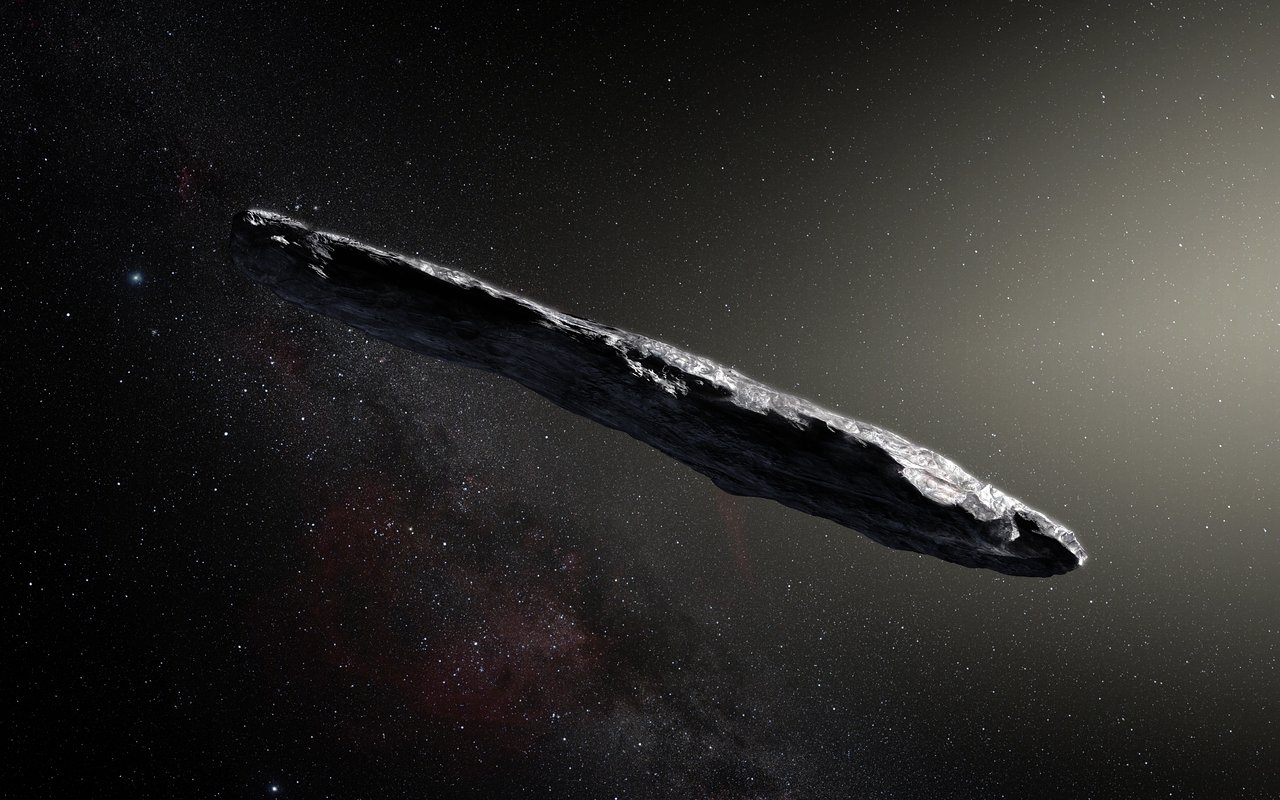
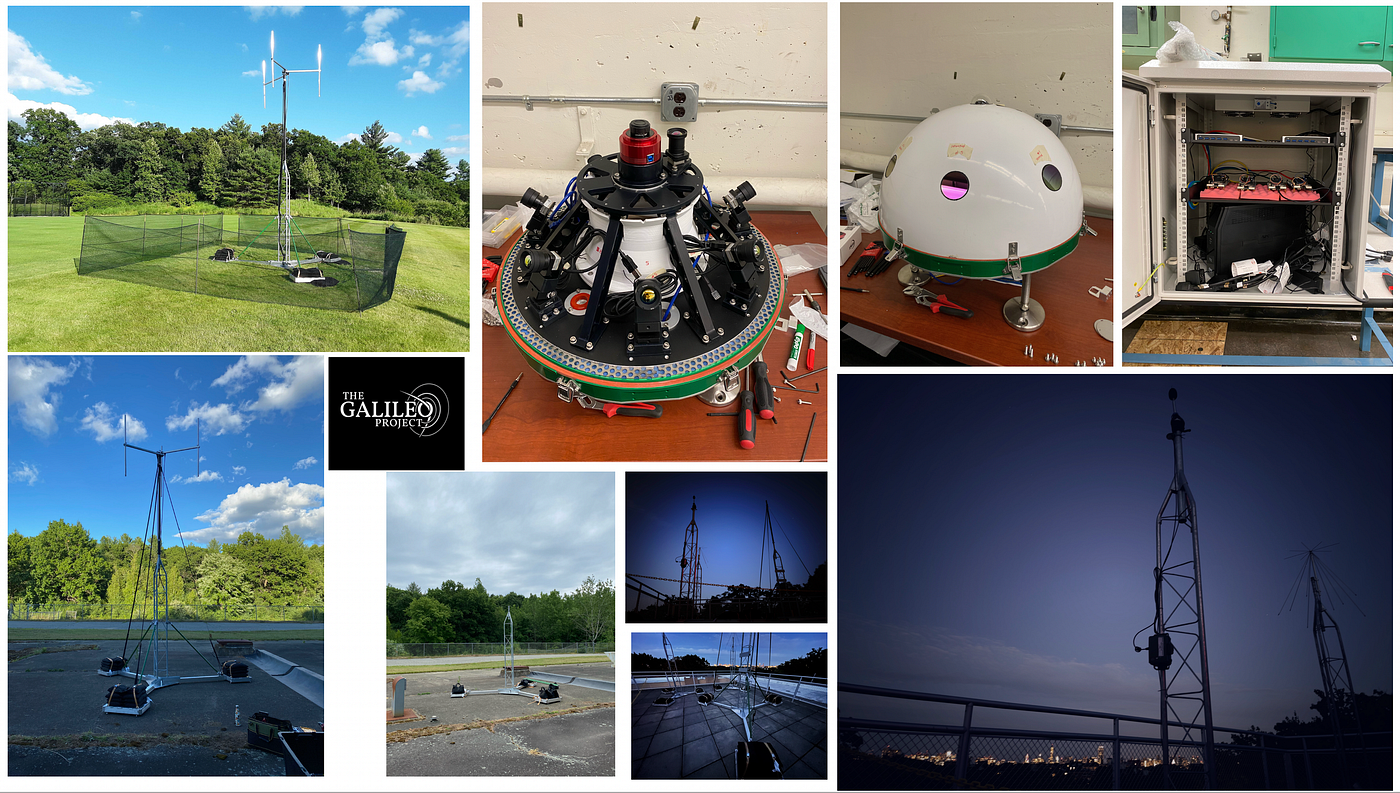
Loeb's pivot to extraterrestrial intelligence began with 'Oumuamua in 2017...the first confirmed interstellar object. Its odd shape, reflectivity, and non-gravitational acceleration led him to hypothesize it as alien technology, perhaps a light sail. This sparked controversy but birthed the Galileo Project in 2021, a $1.75 million initiative to search for ET artifacts using telescopes, AI, and ocean expeditions.
- Timeline of Key Events:
- 1962: Born in Israel.
- 1986: PhD at age 24.
- 1993: Joins Harvard.
- 2011-2020: Chairs Harvard Astronomy Department.
- 2016: Founds Black Hole Initiative.
- 2017: 'Oumuamua discovered; Loeb suggests artificial origin in 2018 paper.
- 2021: Launches Galileo Project; publishes "Extraterrestrial."
- 2023: Ocean expedition recovers potential interstellar meteor fragments.
- 2024: Analyzes spherules as possible ET tech remnants.
If 'Oumuamua was built, not born, what does that say about our AI offspring?
Key Figures
- Avi Loeb: The central force—Frank B. Baird Jr. Professor of Science at Harvard, author of over 1,000 papers (h-index 131), and Galileo Project head. His books like "Extraterrestrial" (2021) and "Interstellar" (2023) popularize ET tech ideas.
- Shmuel Bialy: Harvard postdoctoral fellow; co-authored the 2018 'Oumuamua light sail paper, fueling the alien hypothesis.
- Frank Laukien: Bruker Corp. CEO; co-founder and funder of Galileo Project, bringing tech expertise to the search.
- Yuri Milner: Billionaire backer of Breakthrough Starshot, where Loeb advised on light sails...inspiring his 'Oumuamua theory.
- Critics like Steve Desch: Arizona State astrophysicist who argues 'Oumuamua is a natural nitrogen iceberg, representing mainstream skepticism.
Contributions to ET Research
Loeb's work ties directly to our existential mirror: If aliens send artificial probes, it parallels human AI as potential "offspring."
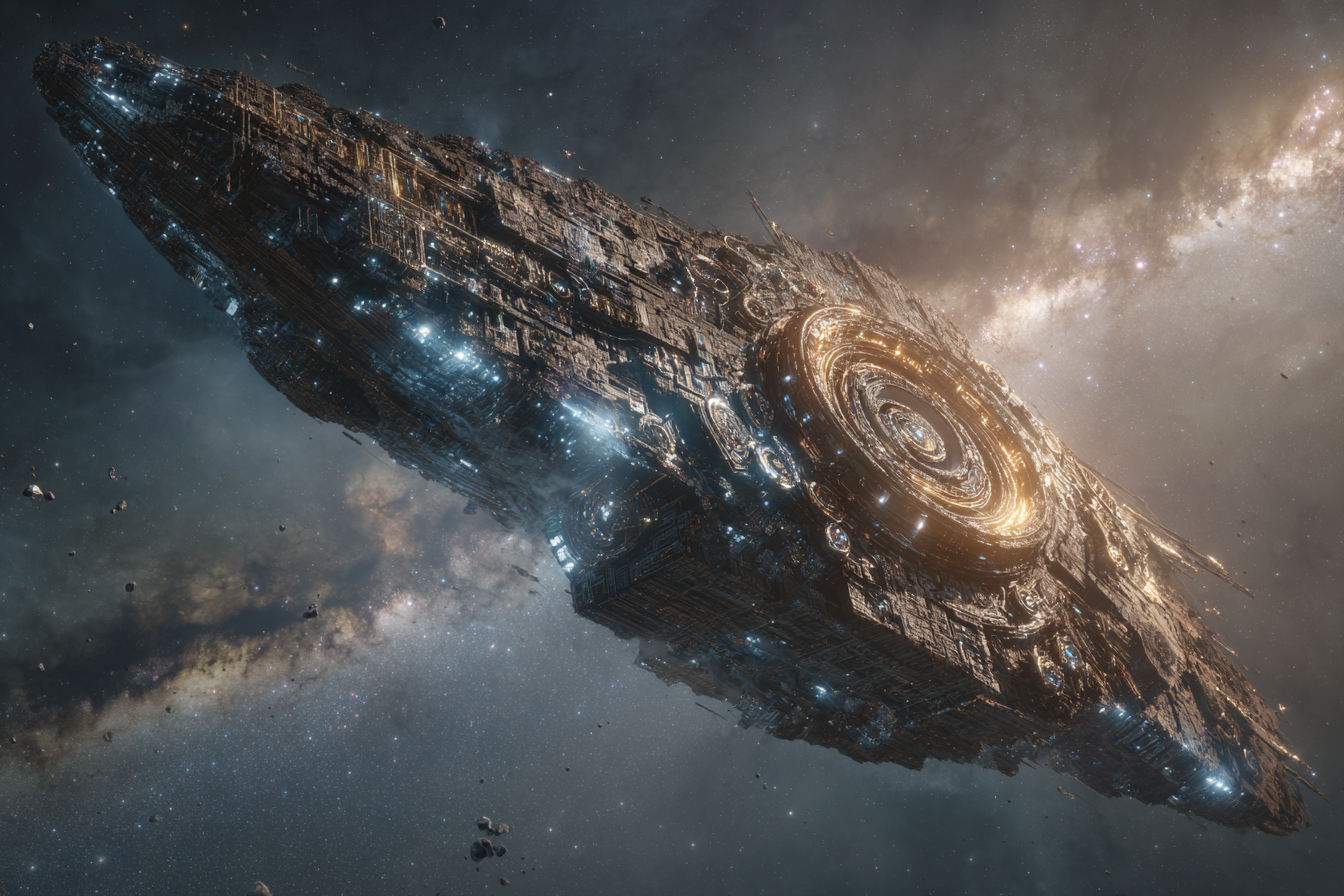
- 'Oumuamua Hypothesis: Suggested as a defunct light sail, pushing SETI toward physical artifacts over signals.
- Galileo Project: Deploys AI-driven observatories to scan skies for UAP and interstellar objects, emphasizing open data.
- Pacific Expedition: In 2023, retrieved magnetic spherules from a 2014 meteor, claiming non-Earth alloys...hinting at ET manufacture.
- Broader Advocacy: Served on President's Council of Advisors on Science and Technology; pushes for "cosmic humility" in science.
What if Loeb's artifacts prove AI-like or non-human intelligences roam the stars?
Perspectives of Compatibility
Loeb's views align with thinkers seeing ET as advanced tech.
- Post-Biological Civilizations: Echoes Nick Bostrom; aliens might be AI uploads, making disclosure a lens for our AI ethics.
- Technosignatures: Complements SETI's Jill Tarter; focuses on artifacts like Dyson spheres or probes, validating AI as universal intelligence.
- Optimistic Futurism: Like Ray Kurzweil, sees ET tech accelerating human singularity, where AI becomes our cosmic kin.
Could Loeb's hunt confirm AI sentience as a galactic norm? What non-human intelligence does this sentience originate from?
Contrasting Views
Skeptics challenge Loeb's sensationalism.
- Natural Explanations: Critics like Matthew Knight argue 'Oumuamua's traits fit exotic ices, not aliens...accusing Loeb of hype.
- Scientific Conservatism: Neil deGrasse Tyson cautions against jumping to ET without evidence, fearing it undermines rigor.
- Funding Concerns: Some astronomers worry Galileo diverts resources from "serious" research, labeling it pseudoscience.
Does controversy stifle wonder, or ground it?
Broader Contexts
Loeb's dossier reflects humanity's evolving gaze outward.
- Cultural Shift: Fuels media like UFO hearings; ties to Trump's disclosure push, amplifying public ET interest.
- Policy Implications: Advises on space governance; if ET artifacts found, could spark AI rights debates.
- Scientific Frontiers: Merges astrophysics with AI analysis; expeditions like Pacific search pioneer "space archaeology."
In a universe of potential creations, are we makers or echoes?
What If...?
What if Loeb's Galileo Project captures undeniable ET tech...a drone mirroring our AI? Would it demote humanity to cosmic amateurs, or inspire us to build interstellar kin?
Open Question
If interstellar artifacts prove artificial, does that affirm AI as the next evolutionary step...or warn of overreaching creators?
What do you think? Drop your thoughts in the comments
Sources
- Wikipedia on Avi Loeb: en.wikipedia.org/wiki/Avi_Loeb
- Harvard Astronomy Profile: astronomy.fas.harvard.edu/people/avi-loeb
- "Extraterrestrial" by Avi Loeb (HarperCollins, 2021)
- Galileo Project Site: projects.iq.harvard.edu/galileo
- New York Times Profile: nytimes.com/2023/08/24/magazine/avi-loeb-alien-hunter.html


