
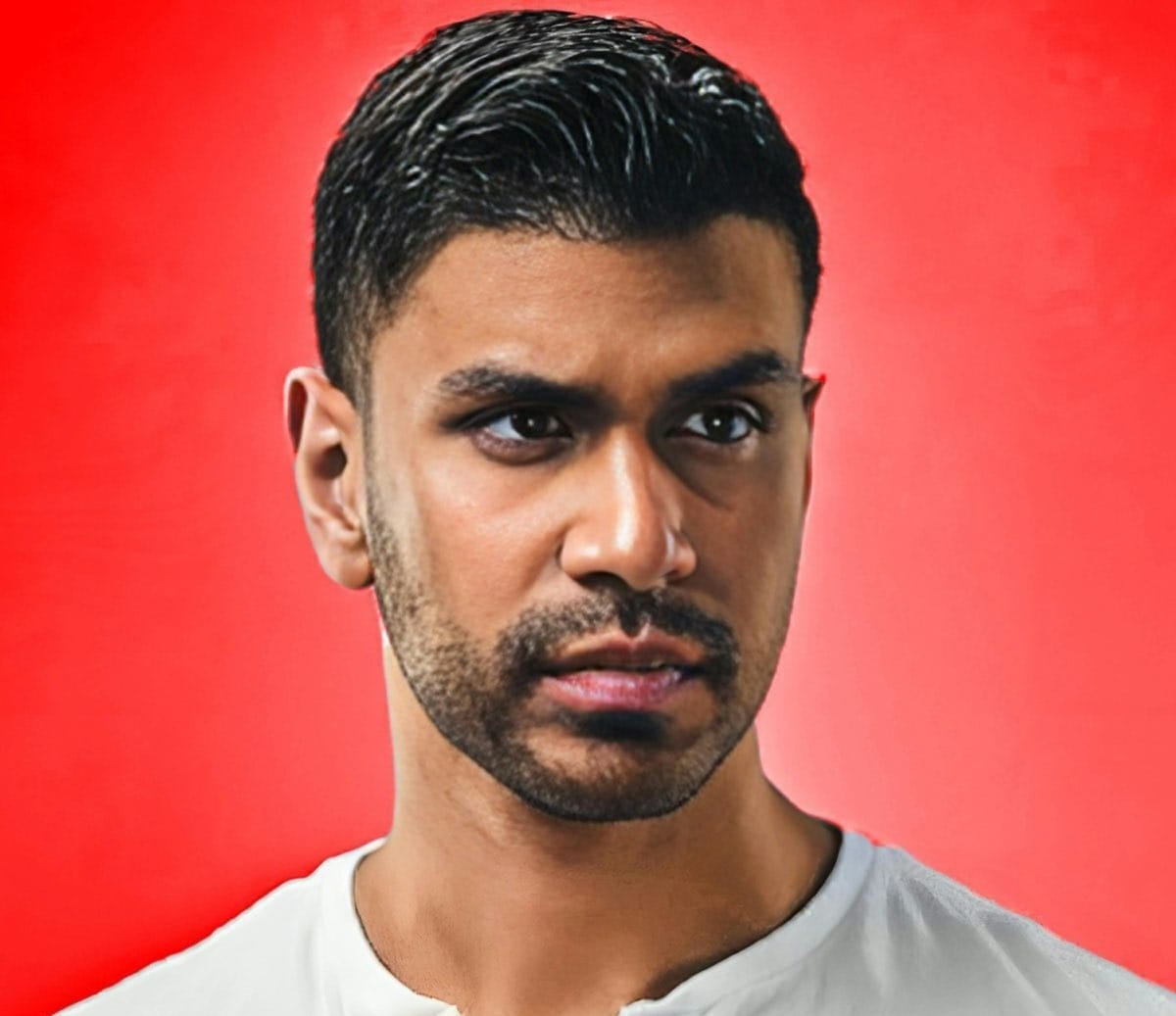
Curt Jaimungal’s “Theories of Everything” is a longform interview project that treats frontier physics, consciousness research, AI, and metaphysics like a shared lab table. It is part podcast, part seminar, part late-night chalkboard session for people who want to hear complex ideas argued in public. Apple Podcasts+1
The show’s promise is in the name. It asks whether a unifying picture could exist that ties matter, mind, and math. Some episodes lean hard into technical physics. Others walk the edges of psi, UAP, or philosophy. The center of gravity is clarity and rigor, even when the topic is controversial. youtube.com
Jaimungal’s background helps explain the tone. He studied mathematical physics in Toronto and worked as a filmmaker, so the conversations toggle between careful derivation and narrative framing. That mix makes dense material feel accessible without dumbing it down. Apple Podcasts+1
If you are new to this space, TOE is a strong gateway. It brings heavyweight guests, gives them room to argue, and keeps the questions on method, not just on claims. Episodes span YouTube and a mirrored audio feed on Apple and Spotify, with a Substack for early access and notes. Curt Jaimungal+3youtube.com+3Apple Podcasts+3
“Depth over clicks. Methods over takes.”
Origins
The channel grew from Jaimungal’s interest in unification and his training in mathematical physics, then took off as he booked theoreticians and public thinkers across physics, philosophy, and the UAP-adjacent world. Early on it lived primarily on YouTube, then expanded to a full podcast feed and Substack. youtube.com+2Apple Podcasts+2
He positions the show as technically rigorous, even when wandering into delicate terrain like consciousness or UFO claims. That stance, plus marathon runtimes and a no-rush interview style, built a niche for people who want to hear hypotheses explored rather than dunked. Apple Podcasts
Key milestones
- Launch of the YouTube channel and playlists focused on physics, AI, and consciousness. youtube.com
- Podcast distribution on Apple and Spotify, increasing reach beyond YouTube. Apple Podcasts+1
- Monetization and community via Patreon and Substack for early access and support. Patreon+1
What they are known for
TOE is known for high-signal, longform conversations that let complex ideas breathe. Episodes often feature researchers or public intellectuals whose views do not fit neatly into mainstream lanes, but who are willing to argue details and respond to critique. Representative guests include Stephen Wolfram, Julian Barbour, and a rotating cast from the disclosure debate. youtube.com+1
Key ideas
- Unification attempts across physics and computation
- Consciousness and foundations of quantum theory
- Epistemology of extraordinary claims and how to test them
Key works or episodes
- Stephen Wolfram on computational rules and physics. youtube.com
- Julian Barbour on time and timeless physics. youtube.com
- Recurring meta-episodes on methods, error, and adversarial collaboration. podcasts.nu
Key themes
- Methods first: how we know, not just what is claimed
- Breadth with technical depth
- A bridge between mainstream theory and exploratory fringe
Style and approach
Tone: calm, analytic, curious. Questions are led by definitions, priors, and falsifiability. When a guest advances a bold claim, the follow-ups are about experimental handles, not vibes. The format is mostly studio conversations on YouTube, mirrored to audio with show notes, and augmented by member updates. youtube.com+1
Ecosystem fit: TOE sits between academic seminars and creator media. It shares a guest pool with science podcasts, but also overlaps with channels in the UFO and alt-physics orbit. That position helps translate across audiences who rarely listen to one another. youtube.com
Strengths and blind spots
Where they shine
- Patient, technical interviews that respect the audience’s intelligence
- Willingness to platform disagreements and dig into method
- Cross-pollination between physics, philosophy, AI, and anomalous claims
Where to be cautious
- Platforming extraordinary claims can blur lines for casual listeners
- The breadth can make it hard to maintain the same verification standard across all topics
- Long runtimes reward dedicated viewers but can be a hurdle for newcomers
Impact and role in the landscape
TOE influences two directions at once. It brings mainstream-trained thinkers into conversations the fringe cares about, and it exposes mainstream audiences to contrarian figures under a higher standard of questioning than typical viral clips. Sponsors, patrons, and Substack readers form a durable base that lets the show chase depth over trend. Patreon+1
Researchers and creators pay attention because the interviews can serve as informal literature reviews for a topic. Clips also circulate into Reddit, X, and Discord communities where the debates continue with timestamps and counter-links. youtube.com
Closing and further exploration
Start here
- Stephen Wolfram on computational foundations. youtube.com
- Julian Barbour on the reality of time. youtube.com
- The TOE podcast feed on Apple or Spotify for recent drops. Apple Podcasts+1
Why it matters
If your readers want a field guide to high-concept ideas that avoids cheap certainty, TOE is a reliable stop. Approach each episode with a notebook and an eye for methods. The value is not in agreement. It is in watching serious people make their case and stress-test it in public.
“Ask for the mechanism. Then ask again.”
Notes and links
- YouTube channel hub and playlists. youtube.com+1
- Apple Podcasts and Spotify feeds. Apple Podcasts+1
- Substack for early access and essays. Curt Jaimungal
- Patreon for community support. Patreon


